
Academic Leadership
Monitoring student performance, academic planning, assessment quality and instructional priorities.
A system-based, accountable and people-focused approach developed through schools, college leadership, multi-school management and remote administration.
Effective educational leadership requires more than vision. It requires working systems, clear accountability and consistent support for people.
Faruukh Nadeem’s approach combines academic oversight, administrative discipline, staff development, parent engagement, student support and institutional growth.
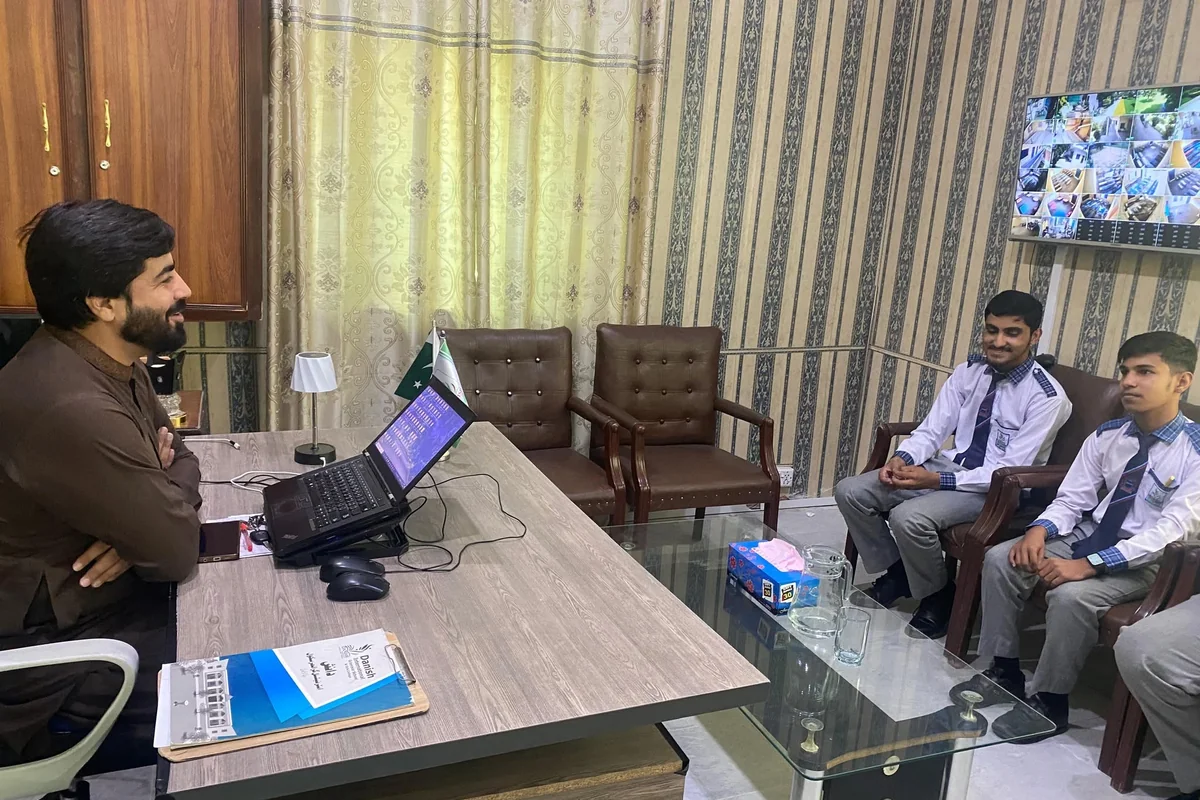
Educational leadership involves academic, administrative, human and community dimensions.
Monitoring student performance, academic planning, assessment quality and instructional priorities.
Admissions, policies, fee coordination, discipline, operations and parent communication.
Recruitment, role clarity, professional development, supervision and accountability.
Expanding educational access while maintaining systems, standards and organizational stability.
Sports, tours, guidance, extracurricular learning and character-building opportunities.
Parenting education, educational awareness and stronger relationships between schools and families.
From 2015 to 2017, Faruukh Nadeem managed 15 privately managed government schools.
This responsibility required moving beyond the administration of one institution and developing systems that could support multiple teams, campuses and operational challenges.
Network leadership requires systems strong enough to create consistency without ignoring the different needs of each school.Leadership principle developed through multi-school management.
International work did not end responsibility for the educational institutions in Pakistan.
Assigning authority to trusted school and college leaders while maintaining clear reporting expectations.
Using regular updates, meetings and digital communication to remain connected to operations.
Returning to direct institutional supervision during visits to Pakistan and reviewing implementation personally.
Explore the story of building an educational institution in an underserved rural community.